Pervect: A Playful and Impeccable Handwritten Font for Creative and Professional Use
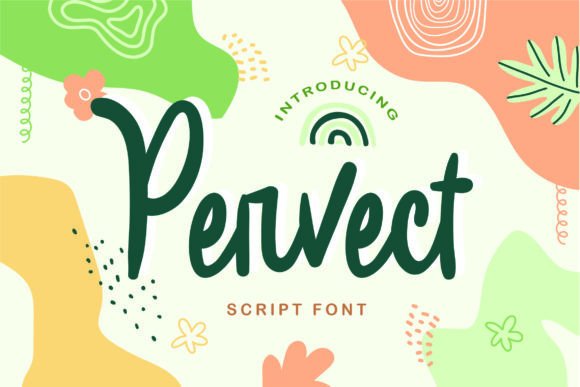
Pervect is a handwritten font that brings a sense of artistry and personality to any design project. With its calligraphy-style curves and playful yet elegant appearance, it stands out as a versatile tool for designers, creators, and professionals across various industries. Whether you're crafting invitations, greeting cards, branding materials, or digital content, Pervect offers a unique aesthetic that can elevate your work. This font is not only visually appealing but also highly functional, thanks to its PUA encoding which allows easy access to all glyphs and swashes.
Understanding the Role of Pervect in Design Workflows
Incorporating Pervect into your design workflow requires understanding how it interacts with other elements of your projects. As a handwritten font, it adds a personal touch that can be especially effective in communication pieces such as invitations, social media posts, and marketing collateral. Its style complements both minimalist and intricate designs, making it adaptable to various creative contexts.
Before beginning a project that involves Pervect, it's essential to consider the overall tone and purpose of the content. For instance, if you're designing a business card, using Pervect might convey a more approachable and friendly brand image compared to a traditional sans-serif font. Similarly, for a wedding invitation, the font's elegance can enhance the romantic and celebratory feel of the event.
Using Pervect at Different Stages of a Project
Pervect can be integrated into your workflow at multiple stages, from initial concept development to final execution. During the planning phase, choosing Pervect early on can help establish a visual identity that aligns with your brand or message. It allows you to experiment with different layouts and compositions before committing to a specific design.
During the implementation stage, working with Pervect may require attention to detail, particularly when accessing special characters and swashes. Since it's PUA encoded, you can easily navigate through its extensive character set using font editors or design software that supports PUA encoding. This makes it easier to customize text and create unique typographic effects without compromising quality.
After completing a project, reviewing the use of Pervect ensures consistency across all materials. If you're producing a series of branded assets, such as social media graphics or promotional emails, maintaining a uniform look with Pervect helps reinforce brand recognition and professionalism.
Integration with Other Tools and Resources
Pervect works well with a variety of design tools and platforms, including Adobe Illustrator, Photoshop, Canva, and Figma. These applications support PUA encoding, allowing you to take full advantage of the font's features. When working with these tools, it's important to ensure that your files are properly formatted and that the font is embedded or linked correctly to avoid compatibility issues.
Additionally, Pervect can be paired with other fonts to create contrast and balance in your designs. For example, using a clean sans-serif font alongside Pervect can provide a nice juxtaposition between modernity and handcrafted charm. Experimenting with different combinations can lead to more dynamic and engaging visual outcomes.
When integrating Pervect into web-based projects, it's crucial to consider file size and loading times. Optimizing images and ensuring that the font is used efficiently can contribute to a better user experience. Hosting the font locally or using web font services like Google Fonts can help manage performance while maintaining the desired typography.
Practical Implementation Tips and Workflow Examples
To make the most of Pervect in your workflow, start by organizing your design assets and setting up a consistent naming convention for files that include this font. This practice improves efficiency and reduces confusion, especially when working on multiple projects simultaneously.
One practical example of using Pervect is in creating personalized greeting cards. Begin by selecting a background image or texture that complements the font's style. Then, add text using Pervect for the main message, and use a secondary font for supporting details such as addresses or dates. This approach ensures readability while maintaining an artistic flair.
Another scenario involves designing a poster for a local event. Start by sketching the layout and determining where text will be placed. Apply Pervect to headlines and key information, then use a contrasting font for body text. Adjust spacing and alignment to ensure the design looks balanced and professional.
For digital content such as blog posts or social media updates, using Pervect in headings or callout boxes can draw attention and add visual interest. However, it's important to limit its use to avoid overwhelming the reader. Keeping the rest of the text in a legible font ensures clarity and accessibility.
Factors for Long-Term Use and Quality Control
When considering long-term use of Pervect, factors such as preparation, compatibility, usability, and organization play a significant role in maintaining quality and efficiency. Ensuring that the font is properly installed on all devices and software you use prevents disruptions during the design process.
Compatibility with different operating systems and applications should also be evaluated. Testing Pervect across various platforms helps identify any potential issues before they affect the final output. Additionally, keeping track of updates and new versions of the font ensures that you have access to the latest features and improvements.
Usability is another important factor. Familiarizing yourself with the font's character set and learning how to access special glyphs enhances your ability to create diverse typographic styles. Investing time in understanding these aspects contributes to a more efficient workflow and higher-quality results.
Organization is key to managing multiple projects that involve Pervect. Creating a dedicated folder for font-related assets and maintaining a clear structure helps streamline the design process. Regularly backing up your files and keeping them organized minimizes the risk of losing important work.
Consistency in using Pervect across all materials reinforces brand identity and professionalism. Establishing guidelines for its use within your team or organization ensures that everyone follows the same standards, resulting in cohesive and polished outputs.
Conclusion
Pervect is more than just a font; it's a valuable asset that can enhance the visual appeal and effectiveness of your creative and professional projects. By understanding its role in different workflows, integrating it with other tools, and following practical implementation tips, you can make the most of this versatile typeface. Whether you're designing invitations, branding materials, or digital content, Pervect offers a unique blend of playfulness and precision that can elevate your work to new heights.